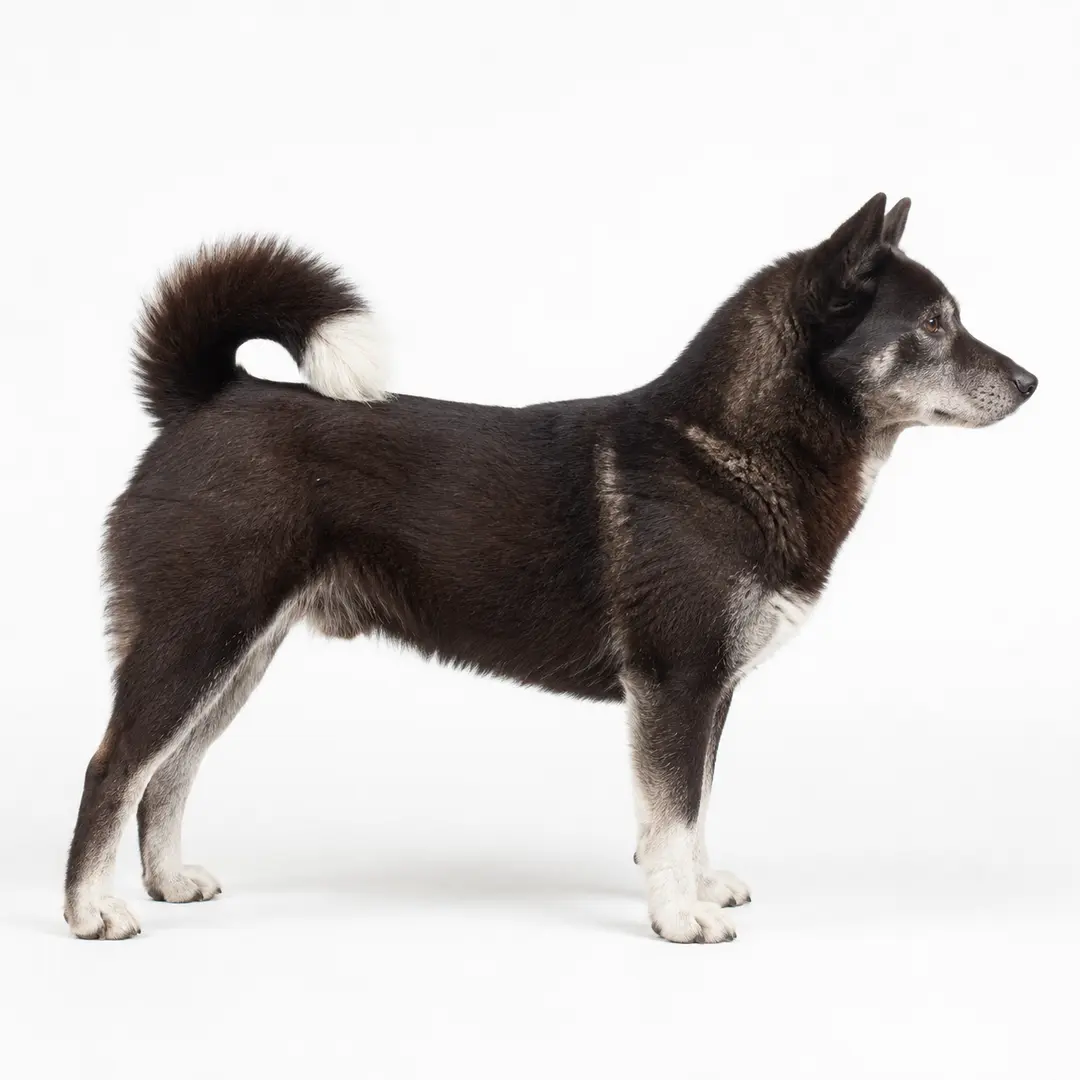
The Turkish Zerdava, often simply called Zerdava, is a small to medium-sized hunting and farm dog from the eastern Black Sea region of Turkey, especially from Trabzon, Rize, Artvin, and Giresun. It is a regional population, not a very standardized international breed. It is known for its agility, alertness, erect or semi-erect ears, curved or sickle tail, brown or brown with white coat, and lively and confident character. It is not listed as a breed recognized by the FCI. In Turkey, KIF includes the Zerdeva among local breeds, and breed advocates describe it as a native working dog used for hunting, guarding houses, and protecting rural properties.
General details
The Zerdava is compact, athletic, and hardy. Exact size varies by source and local line, but it is much smaller and lighter than Turkish livestock guardians. It has the muscle and endurance for steep, wet, and wooded terrain. The head is wedge-shaped, the expression is lively, and the tail is usually carried high or curved. The coat is usually short to medium, double, and practical for outdoor work. Turkish descriptions highlight liver or brown color with white, sometimes with ticking or roan, and mention a white tail tip. Its land is damp, mountainous, and heavily vegetated, so it must be agile, weather tolerant, and quick. It has been used for small game hunting and rural surveillance.
Breed history in brief
The Zerdava's history is regional and practical rather than formal. It developed in the Black Sea highlands, where villages needed dogs that could hunt, warn of strangers, and move easily through forest and steep land. Local selection favored courage, independence, sharp senses, and loyalty to the household. Because the breed was maintained by rural users, not a large centralized kennel system, written records are thinner than for major international breeds. Turkish advocates have worked to draw attention to the Zerdava as a native dog worth preserving. Regional reports describe efforts to identify typical dogs, set standards, encourage responsible breeding, and prevent disappearance through uncontrolled crossing. Some sources also note cultural importance in the eastern Black Sea area. Claims about ancient origin, exact ancestry, or international status should stay cautious
Breed characteristics
The Zerdava is fast, alert, and intense. It should appear ready to move: moderate bone, compact feet, flexible body, and lively carriage. The coat is not difficult, but outdoor dogs need brushing, tick checks, nail trims, dental care, and ear cleaning. After hunting or walking, it's advisable to check paws, eyes, and skin for cuts, seeds, thorns, or irritation. The temperament is usually described as loyal to its own, wary of strangers, brave, and independent. These traits are useful in a rural watchman, but need management in modern homes. It may bark, chase small animals, guard territory, or test unclear boundaries. Early socialization with visitors, children, other dogs, livestock, and cats is important. Training should be structured but positive, with attention to recall, self-control, and calm greetings. It is not ideal for those seeking a quiet, low-energy dog. It needs daily activity and mental work through scent work, hiking, legal controlled hunting, obedience, or problem-solving tasks.
Common health problems
Public breed-specific health data for the Zerdava is very limited. A cautious owner should not assume that a rustic local dog is free of inherited disease. The best approach is general veterinary care plus attention to problems reported in each family line. Possible concerns include patellar luxation or other knee problems in smaller agile dogs, hip dysplasia in larger individuals, dental disease, eye injuries from brush, ear infections, allergies, parasites, and traumatic hunting injuries. Dogs working in forests or farms may be exposed to ticks, wounds, toxins, and infectious diseases, so vaccination and parasite prevention matter. Because the population is not large and may be bred within local groups, genetic diversity and avoidance of close inbreeding are important. Breeders should select for sound movement, normal breathing, stable temperament, healthy eyes, good bite, and practical working ability.
What does genetics say about your pet? Start your journey today.
Get a special 5% discount on your first kit.
Connection error. Please try again later
You have successfully subscribed.
Don't you know your dog's true nature yet?
Unlock the secrets of your pet's DNA with our two ranges.